

What Makes Fleet Maintenance Different from Regular Repairs: A Comprehensive Guide
Share this:
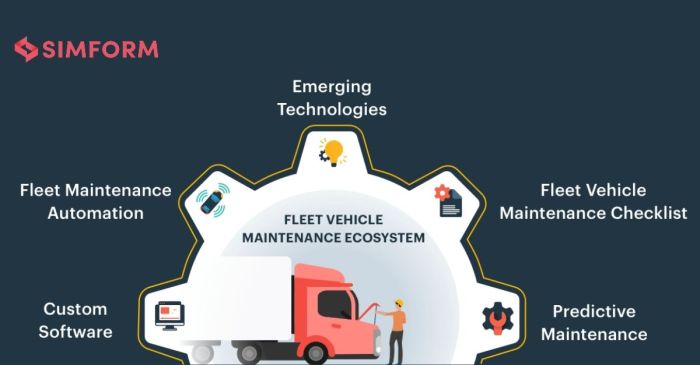
Exploring the nuances of Fleet Maintenance versus Regular Repairs sheds light on the distinct approaches taken in keeping vehicles road-worthy. From preventive measures to cost considerations, this comparison delves into the essential aspects that set these two services apart.
Differences in Scope
Fleet maintenance and regular repairs serve distinct purposes in the realm of vehicle upkeep. While both are essential for ensuring the longevity and performance of a fleet or individual vehicles, they differ significantly in scope and approach.
Fleet Maintenance Encompasses Preventive Measures
Fleet maintenance involves a proactive approach to vehicle care, focusing on preventive measures to avoid breakdowns and costly repairs in the future. This includes regular inspections, scheduled maintenance tasks, and the use of diagnostic tools to identify potential issues before they escalate.
By adhering to a structured maintenance plan, fleet managers can minimize downtime, improve safety, and extend the lifespan of their vehicles.
Regular Repairs Address Specific Issues as They Arise
On the other hand, regular repairs are reactive in nature, as they are carried out to address specific issues that have already occurred. When a vehicle breaks down or exhibits a malfunction, repairs are performed to resolve the immediate problem.
While necessary, this approach can result in higher costs, unexpected downtimes, and potential safety risks if issues go undetected for a prolonged period.
Comparing Long-Term Benefits
In the long run, fleet maintenance offers substantial benefits over regular repairs. By implementing preventive measures, fleet operators can reduce the likelihood of major breakdowns, minimize repair costs, and enhance the overall reliability of their vehicles. Additionally, proactive maintenance can improve fuel efficiency, optimize vehicle performance, and contribute to a safer operating environment for drivers and passengers.
While regular repairs are unavoidable, integrating a comprehensive fleet maintenance program can lead to significant cost savings and operational efficiencies in the long term.
Frequency of Service
Fleet maintenance involves a regular schedule of service to ensure the smooth operation of vehicles and prevent breakdowns that could disrupt business operations. This proactive approach is crucial for maintaining the reliability and safety of a fleet.
Regularity of Fleet Maintenance Schedules
Fleet maintenance schedules are typically based on mileage intervals or time intervals, depending on the specific needs of the vehicles and the type of operations they are involved in. For example, commercial trucks may require maintenance every 10,000 miles or every three months, whichever comes first.
- Oil changes
- Tire rotations
- Brake inspections
- Fluid checks and top-ups
- Filter replacements
Difference in Frequency of Service
The key difference between fleet maintenance and regular repairs is the frequency of service. While regular repairs are reactive and only address issues as they arise, fleet maintenance is proactive and involves regular, scheduled service to prevent problems before they occur.
This proactive approach helps to minimize downtime and costly repairs, ultimately saving time and money for the business.
Cost Considerations
Maintaining a fleet of vehicles comes with its own set of cost considerations that differ from regular repairs. Fleet maintenance programs are designed to be cost-effective in the long run, providing a proactive approach to keeping vehicles in optimal condition and avoiding costly breakdowns.
Cost-Effectiveness of Fleet Maintenance Programs
- Fleet maintenance programs are designed to schedule regular maintenance tasks based on mileage, hours of operation, or time intervals, ensuring that vehicles are consistently serviced to prevent major issues.
- By staying ahead of potential problems, fleet maintenance programs help reduce the likelihood of unexpected breakdowns that can result in costly repairs and downtime.
- Regular maintenance also helps improve fuel efficiency and overall performance of vehicles, leading to long-term cost savings.
Comparison of Overall Costs
- While fleet maintenance programs require an initial investment, the overall costs are often lower compared to the expenses incurred through ad-hoc repairs.
- Ad-hoc repairs are typically more expensive as they involve fixing issues after they have already caused damage, leading to higher repair bills and potential additional costs for towing and rental vehicles.
- With fleet maintenance, the costs are spread out over time and can be budgeted for, allowing for better financial planning and control.
Budgeting for Fleet Maintenance
- When budgeting for fleet maintenance, companies can forecast expenses based on the scheduled maintenance tasks and intervals set by the program.
- Having a clear understanding of when maintenance is due and the associated costs allows for better allocation of resources and prevents unexpected financial strains.
- Comparatively, budgeting for regular repairs may be more challenging as the timing and costs of unexpected breakdowns can vary greatly, making it harder to plan ahead.
Impact on Vehicle Lifespan
Fleet maintenance plays a crucial role in prolonging the lifespan of vehicles by ensuring they are consistently monitored, serviced, and repaired as needed. This proactive approach helps prevent major breakdowns and keeps the vehicles in optimal condition for a longer period of time.
Key Factors Affecting Longevity under Fleet Maintenance Program
- Regular Maintenance Schedule: Following a strict maintenance schedule helps address minor issues before they escalate, preventing premature wear and tear.
- Quality Parts and Repairs: Using high-quality parts and skilled technicians for repairs ensures that the vehicles are properly maintained, increasing their longevity.
- Vehicle Monitoring Systems: Implementing monitoring systems helps track the performance of vehicles, allowing for timely interventions to prevent potential problems.
- Driver Training: Proper driver training on vehicle handling and maintenance practices can also contribute to extending the lifespan of the vehicles.
Contrast between Regular Repairs and Fleet Maintenance
- Regular Repairs: Typically involve addressing issues reactively after they have occurred, leading to potential downtime and higher repair costs. This approach may not address underlying issues, impacting the overall lifespan of the vehicle.
- Fleet Maintenance: Involves proactive monitoring, scheduled maintenance, and preventive measures to keep vehicles in optimal condition. This approach reduces the risk of major breakdowns and ensures a longer lifespan for the vehicles.
Final Conclusion
In conclusion, understanding the differences between Fleet Maintenance and Regular Repairs is crucial for optimizing vehicle performance and longevity. By prioritizing proactive care over reactive fixes, businesses can ensure their fleet operates smoothly and cost-effectively.
Questions and Answers
What are the key differences in scope between Fleet Maintenance and Regular Repairs?
Fleet Maintenance involves preventive measures to ensure vehicles are in optimal condition, while Regular Repairs focus on fixing specific issues as they arise.
How does the frequency of service differ between Fleet Maintenance and Regular Repairs?
Fleet Maintenance follows a structured schedule for routine tasks, whereas Regular Repairs are conducted on an ad-hoc basis when issues arise.
Are Fleet Maintenance programs more cost-effective compared to ad-hoc repairs?
Yes, Fleet Maintenance programs are generally more cost-effective in the long run as they help prevent major issues that could be more expensive to fix.