

The Future of Smart Fleet Maintenance Technology: Revolutionizing the Industry
Share this:
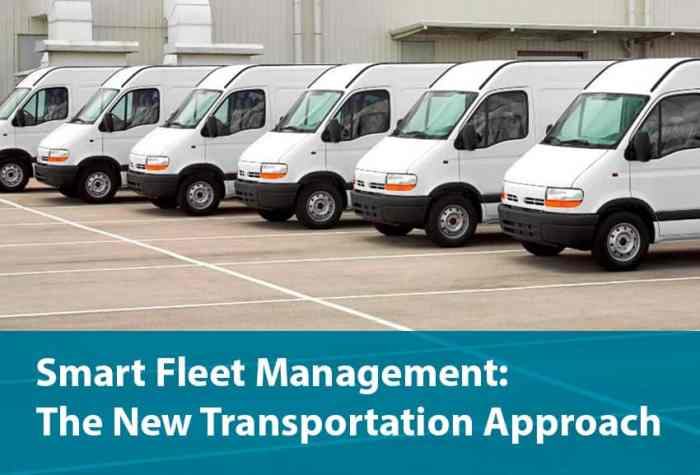
The Future of Smart Fleet Maintenance Technology sets the stage for this enthralling narrative, offering readers a glimpse into a story that is rich in detail and brimming with originality from the outset. As technology continues to advance at a rapid pace, the way fleet maintenance is conducted is undergoing a significant transformation.
Smart fleet maintenance technology is at the forefront of this revolution, offering innovative solutions and reshaping the industry landscape.
Overview of Smart Fleet Maintenance Technology
Smart fleet maintenance technology refers to the use of advanced digital tools and systems to manage and optimize the maintenance of a fleet of vehicles. This technology leverages data analytics, IoT sensors, predictive maintenance algorithms, and automation to streamline the maintenance process, enhance vehicle performance, and reduce downtime.
Key Features and Benefits of Smart Fleet Maintenance Technology
- Real-time monitoring: Sensors and telematics devices collect data on vehicle health and performance in real-time, allowing fleet managers to proactively address maintenance issues.
- Predictive maintenance: Advanced algorithms analyze data to predict potential failures before they occur, enabling scheduled maintenance and minimizing unexpected breakdowns.
- Optimized scheduling: Smart technology helps in scheduling maintenance tasks based on vehicle usage patterns, minimizing downtime and maximizing fleet efficiency.
- Cost savings: By preventing costly repairs and reducing unplanned downtime, smart fleet maintenance technology helps in saving on maintenance costs and improving overall operational efficiency.
Transformation of the Industry
Smart fleet maintenance technology is revolutionizing the transportation industry by introducing a more proactive and data-driven approach to vehicle maintenance. This technology not only improves the reliability and safety of fleet operations but also enhances the overall customer experience by ensuring timely deliveries and efficient service.
As more companies adopt smart fleet maintenance solutions, we can expect to see a significant shift towards a more efficient, sustainable, and competitive fleet management landscape.
Current Trends in Smart Fleet Maintenance
In today's rapidly evolving technological landscape, smart fleet maintenance is undergoing significant advancements to streamline operations and enhance efficiency.
Integration of IoT in Fleet Maintenance
With the rise of Internet of Things (IoT) technology, fleet maintenance systems are now equipped with sensors and devices that collect real-time data on vehicle performance, enabling proactive maintenance scheduling and reducing downtime.
Utilization of AI for Predictive Maintenance
Artificial Intelligence (AI) algorithms are being integrated into fleet maintenance software to analyze historical data and predict potential issues before they occur. This predictive maintenance approach helps fleet managers optimize maintenance schedules and minimize unexpected breakdowns.
Shift towards Data-Driven Decision Making
Smart fleet maintenance solutions are increasingly relying on data analytics and predictive modeling to make informed decisions. By harnessing the power of data, fleet managers can identify trends, optimize maintenance processes, and improve overall fleet performance.
Enhanced Remote Monitoring Capabilities
Advancements in smart fleet maintenance technology have enabled remote monitoring of vehicle health and performance in real-time. Fleet managers can now track vehicle diagnostics, fuel consumption, and driver behavior remotely, allowing for proactive maintenance interventions and cost savings.
Comparison with Traditional Fleet Maintenance Methods
When comparing traditional fleet maintenance methods with smart technology solutions, the benefits of automation, efficiency, and cost-effectiveness become evident. Smart fleet maintenance not only reduces manual labor but also improves accuracy and reliability in maintenance practices.
Impact of Predictive Analytics on Fleet Maintenance
The integration of predictive analytics in fleet maintenance enables organizations to move from reactive to proactive maintenance strategies. By leveraging data insights and predictive modeling, fleet managers can anticipate maintenance needs, optimize resource allocation, and extend the lifespan of their vehicles.
Implementation Challenges and Solutions
When it comes to implementing smart fleet maintenance technology, there are common challenges that organizations may face. It is important to be aware of these challenges and have potential solutions ready to overcome them for a successful integration.
1. Integration Complexity
Integrating smart fleet maintenance technology with existing systems and processes can be complex and time-consuming. This challenge can be addressed by conducting a thorough assessment of current systems, choosing compatible technology solutions, and involving all stakeholders in the integration process.
2. Data Security Concerns
With the increase in data collection and sharing in smart technology, data security concerns are a major challenge. Organizations can address this by implementing robust cybersecurity measures, encryption protocols, and regular security audits to protect sensitive information.
3. Resistance to Change
Resistance to change from employees or management can hinder the successful implementation of smart fleet maintenance technology. To overcome this challenge, organizations should provide comprehensive training, communicate the benefits of the technology, and involve employees in the decision-making process.
4. Cost and ROI Uncertainty
The cost of implementing smart fleet maintenance technology can be a barrier for some organizations, especially when the return on investment (ROI) is uncertain. To address this challenge, organizations should conduct a cost-benefit analysis, consider long-term savings, and pilot the technology on a smaller scale before full implementation.
5. Maintenance of Technology
Ongoing maintenance and updates of smart fleet technology can pose a challenge if not properly managed. Organizations can overcome this by establishing a clear maintenance schedule, regular software updates, and partnerships with reliable technology providers for support.
Future Innovations and Emerging Technologies
As smart fleet maintenance technology continues to evolve, we can expect a range of innovations and emerging technologies that will revolutionize the way fleets are managed and maintained.
Role of Autonomous Vehicles and Drones
Autonomous vehicles and drones are set to play a significant role in the future of fleet maintenance. These technologies can be utilized for tasks such as remote diagnostics, predictive maintenance, and even autonomous repair operations. Drones, in particular, can access hard-to-reach areas of a vehicle for inspection and maintenance purposes, improving efficiency and reducing downtime.
Advancements Shaping the Future
- Artificial Intelligence (AI) and Machine Learning: AI-powered systems can analyze vast amounts of data to predict maintenance needs accurately, helping fleets proactively address issues before they escalate.
- Internet of Things (IoT): IoT devices embedded in vehicles can provide real-time data on performance and condition, enabling fleet managers to make informed decisions and optimize maintenance schedules.
- Augmented Reality (AR) and Virtual Reality (VR): AR and VR technologies can be used for remote troubleshooting and training, allowing technicians to visualize maintenance procedures and access guidance in real-time.
- Blockchain Technology: Blockchain can enhance transparency and security in fleet maintenance records, ensuring the integrity of data related to service history, parts replacement, and repairs.
Final Conclusion
In conclusion, The Future of Smart Fleet Maintenance Technology holds immense potential to enhance efficiency, reduce costs, and improve overall operations within the fleet management sector. With continuous advancements and emerging technologies, the future looks promising for those embracing smart fleet maintenance solutions.
Stay ahead of the curve and explore the endless possibilities that lie ahead in this dynamic field.
FAQs
What are the key features of smart fleet maintenance technology?
Smart fleet maintenance technology includes real-time monitoring, predictive maintenance capabilities, and automated scheduling to streamline operations.
How is smart fleet maintenance technology different from traditional methods?
Smart technology offers proactive maintenance solutions based on data analysis, unlike reactive approaches in traditional methods.
What challenges are commonly faced when implementing smart fleet maintenance technology?
Common challenges include initial costs, data integration issues, and resistance to change from existing processes.
What are some upcoming innovations in smart fleet maintenance technology?
Future innovations may include the integration of AI for advanced analytics, self-diagnosing vehicles, and remote monitoring capabilities.