

Electric Vehicle Design and Performance Comparison: A Comprehensive Analysis
Share this:
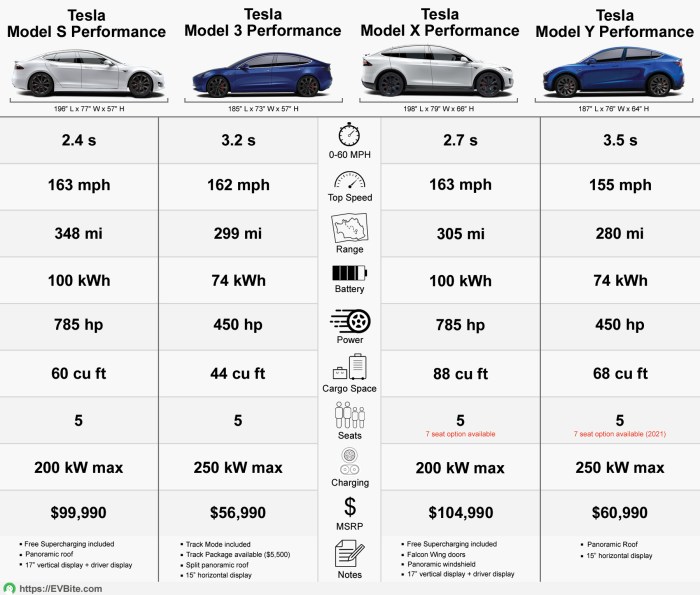
Embarking on a journey through the realm of electric vehicle design and performance comparison, we delve into the intricate details that shape these innovative modes of transportation. From the fundamental design elements to the critical role of aerodynamics, this exploration promises to unveil the unique features that set electric vehicles apart.
As we navigate through the nuances of performance factors and energy efficiency, a clearer picture emerges of the advancements driving the electric vehicle industry forward.
Electric Vehicle Design
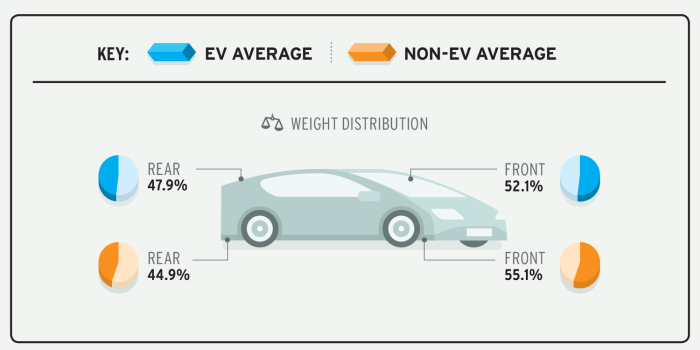
Electric vehicles are designed with key elements that set them apart from traditional internal combustion engine vehicles. These elements include the electric motor, battery pack, power electronics, and regenerative braking system. The design of an electric vehicle focuses on maximizing energy efficiency and reducing environmental impact.Aerodynamics play a crucial role in designing electric vehicles as they can significantly impact the vehicle's range and efficiency.
By reducing air resistance through sleek and aerodynamic designs, electric vehicles can achieve better performance and longer driving ranges. Designers often incorporate features such as smooth contours, active grille shutters, and underbody panels to improve aerodynamics and enhance the overall efficiency of the vehicle.
Aerodynamics in Electric Vehicle Design
Aerodynamics in electric vehicle design are essential for reducing drag and increasing energy efficiency. By optimizing the vehicle's shape and airflow patterns, designers can minimize resistance and improve the vehicle's overall performance. Features such as rounded edges, streamlined body designs, and aerodynamic side mirrors help to reduce air turbulence and enhance the vehicle's aerodynamic efficiency.
Additionally, elements like a closed front grille and wheel covers contribute to a smoother airflow around the vehicle, reducing drag and increasing range.
Importance of Lightweight Materials
The use of lightweight materials is crucial in electric vehicle design to enhance energy efficiency and extend driving range. Materials such as aluminum, carbon fiber, and high-strength steel are commonly used to reduce the overall weight of the vehicle without compromising structural integrity.
By incorporating lightweight materials, designers can offset the weight of the heavy battery pack and improve the vehicle's handling, acceleration, and overall performance. Additionally, lighter vehicles require less energy to operate, leading to increased efficiency and reduced environmental impact.
Performance Factors
Electric vehicles have been gaining popularity due to their environmental benefits and advancements in technology. When comparing the performance of electric vehicles with internal combustion engine vehicles, several factors come into play. One key aspect to consider is how torque and horsepower differ in electric vehicles compared to traditional vehicles.
Additionally, the impact of battery technology on the overall performance of electric vehicles is crucial to understand.
Torque and Horsepower Comparison
In electric vehicles, torque is available instantly, providing quick acceleration from a standstill. This is due to the direct drive system in electric motors, eliminating the need for gear shifting. On the other hand, internal combustion engine vehicles typically require time to build up torque through gear changes.
While electric vehicles excel in torque delivery, traditional vehicles may have higher horsepower figures, which come into play at higher speeds. It's essential to consider the driving conditions and preferences when comparing the torque and horsepower of electric and combustion engine vehicles.
Impact of Battery Technology
The performance of electric vehicles heavily relies on the advancements in battery technology. The energy density, charging capabilities, and overall lifespan of the battery pack can significantly influence the range and power output of an electric vehicle. As battery technology continues to improve, electric vehicles are becoming more efficient, with longer ranges and faster charging times.
The development of solid-state batteries and other innovative solutions aims to address current limitations and enhance the overall performance of electric vehicles.
Energy Efficiency
Electric vehicles offer numerous energy efficiency benefits compared to conventional vehicles. These benefits play a crucial role in reducing greenhouse gas emissions and promoting sustainable transportation solutions. One key factor contributing to the energy efficiency of electric vehicles is regenerative braking, which helps to recapture energy that would otherwise be lost during braking.
Additionally, the design of electric motors plays a significant role in maximizing energy efficiency, allowing for more effective conversion of electrical energy into mechanical energy for propulsion.
Regenerative Braking
Regenerative braking is a technology utilized in electric vehicles to convert the kinetic energy produced during braking back into electrical energy, which is then stored in the vehicle's battery for later use. This process helps to improve energy efficiency by reducing the overall energy consumption of the vehicle and extending its driving range.
By harnessing energy that would typically be wasted in conventional vehicles, regenerative braking allows electric vehicles to operate more efficiently and sustainably.
Electric Motor Design
The design of electric motors in electric vehicles is optimized for energy efficiency, allowing for minimal energy loss during operation. Unlike internal combustion engines in conventional vehicles, electric motors do not require complex transmission systems, which results in fewer energy losses due to friction and heat.
Additionally, electric motors can operate at higher efficiency levels across a wider range of speeds, providing a smoother and more efficient driving experience. Overall, the design of electric motors in electric vehicles is a key factor in maximizing energy efficiency and reducing overall energy consumption.
Charging Infrastructure
Charging infrastructure plays a crucial role in the widespread adoption of electric vehicles, as it directly impacts the convenience and practicality of owning an electric vehicle.
Types of Charging Technologies
- Level 1 Charging: This is the most basic form of charging, utilizing a standard household outlet. While convenient for overnight charging, it is slow and not suitable for rapid recharging.
- Level 2 Charging: This type of charging requires a dedicated charging station and provides faster charging speeds compared to Level 1. It is commonly found in residential settings and public charging stations.
- DC Fast Charging: This technology offers rapid charging capabilities, allowing electric vehicles to recharge to 80% in a shorter amount of time. It is commonly used for long-distance travel and in commercial charging stations.
Advancements in Fast Charging Technology
Fast charging technology has seen significant advancements in recent years, with the development of ultra-fast chargers capable of delivering high-power charging rates. These advancements have helped reduce charging times significantly, making electric vehicles more practical for daily use.
One example of fast charging technology is Tesla's Supercharger network, which enables Tesla vehicles to quickly recharge their batteries while on the go.
Closing Notes
In conclusion, the dynamic interplay between design, performance, and efficiency in electric vehicles showcases a promising future for sustainable transportation. As technology continues to evolve, the landscape of electric vehicles is poised for remarkable growth and innovation.
Commonly Asked Questions
What are the key design elements of an electric vehicle?
The key design elements include the battery, electric motor, power electronics, and the overall vehicle architecture tailored for electric powertrain integration.
How do torque and horsepower differ in electric vehicles compared to traditional vehicles?
Electric vehicles have instant torque delivery, providing quick acceleration, while horsepower figures are comparable to internal combustion engine vehicles.
What is regenerative braking and how does it enhance energy efficiency in electric vehicles?
Regenerative braking allows electric vehicles to recover energy during deceleration, converting it back into usable electricity and improving overall efficiency.
What charging technologies are available for electric vehicles?
Charging options include Level 1 (120V outlet), Level 2 (240V home charger), and DC fast charging, each offering varying speeds and compatibility.