

Signs you need a roof replacement: Key Indicators and Solutions
Share this:
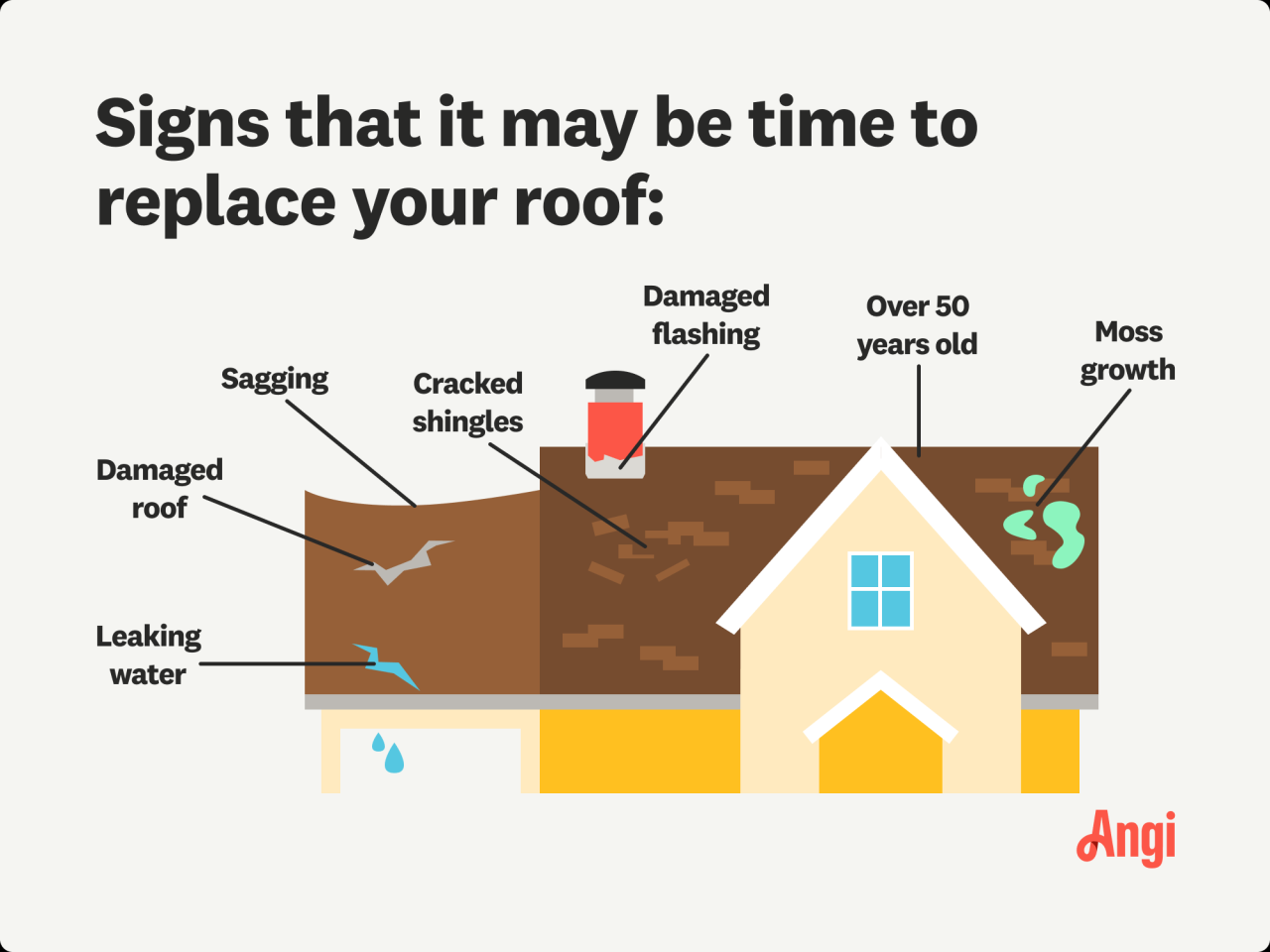
As we delve into the world of roof replacements, it's crucial to recognize the signs that indicate a potential need for this significant home improvement project. From subtle hints to glaring issues, your roof communicates its distress through various ways.
Let's explore the common indicators and solutions that can help you navigate the decision-making process.
Common Signs
It is important to be aware of common signs that indicate a need for a roof replacement. Ignoring these signs can lead to more severe damage and costly repairs in the future.
1. Missing or Damaged Shingles
One of the most obvious signs that your roof needs to be replaced is missing or damaged shingles. Shingles can become loose or break due to age, weather conditions, or improper installation.
Example: After a severe storm, you notice several shingles missing from your roof, exposing the underlying structure.
2. Leaks or Water Damage
If you notice water stains on your ceiling or walls, it could be a sign of a leaking roof. Water damage can lead to mold growth, structural issues, and compromised insulation.
Example: During heavy rainfall, you notice water dripping from the ceiling in your living room, indicating a leak in the roof.
3. Sagging Roof Deck
A sagging roof deck can indicate a serious structural issue with your roof. This can be caused by excessive weight, water damage, or a compromised roof support system.
Example: You notice a visible dip or sag in the roofline from the outside, signaling a potential problem with the roof deck.
4. Granules in Gutters
Finding granules from the shingles in your gutters is a sign of roof deterioration. As shingles age, they shed granules, which can accumulate in the gutters and downspouts.
Example: When cleaning out your gutters, you notice a buildup of small granules that have washed off the shingles, indicating wear and tear.
5. Increased Energy Bills
If your energy bills have been steadily increasing, it could be due to poor roof insulation or ventilation. An inefficient roof can lead to heat loss or gain, resulting in higher heating and cooling costs.
Example: Despite moderate weather conditions, your energy bills have spiked, indicating a potential issue with your roof's insulation.
Interior Damage
Interior damage can be a clear indicator of underlying roof issues that may require replacement. When a roof is compromised, water can seep through and cause damage to the interior of your home. It is crucial to be aware of the signs of interior damage to address roof problems promptly.
Types of Interior Damages
- Water Stains: Brown or yellow stains on the ceiling or walls can indicate a leaking roof.
- Mold or Mildew: Excessive moisture from a damaged roof can lead to the growth of mold and mildew, posing health risks.
- Peeled Paint: Moisture from a leaking roof can cause paint to peel or bubble on your walls or ceiling.
- Musty Odors: A musty smell in your home can be a sign of water damage caused by a compromised roof.
Interior damage caused by a failing roof can worsen over time if not addressed promptly. Ignoring the signs of interior damage can lead to more extensive and costly repairs in the future. It is essential to act quickly and consider a roof replacement to prevent further damage to your home.
Age of Roof
When it comes to determining the need for a roof replacement, the age of the roof plays a crucial role. Over time, exposure to the elements can cause wear and tear on a roof, leading to potential issues that may require replacement.An old roof may need to be replaced even if it appears fine on the surface.
This is because the materials used in roofing have a limited lifespan, and as the roof ages, it becomes more susceptible to damage and deterioration. It is essential to understand the average lifespan of different types of roofs to assess when a replacement may be necessary.
Average Lifespan of Different Types of Roofs
- Asphalt Shingle Roof: Typically lasts around 20-30 years.
- Metal Roof: Can last 40-70 years or more.
- Wood Shake Roof: Usually lasts around 20-40 years.
- Tile Roof: Can have a lifespan of 50 years or more.
Roof Leaks
Roof leaks are a clear indicator that your roof may need to be replaced. Ignoring roof leaks can lead to further damage to your home, including structural issues, mold growth, and water damage to your belongings. It is essential to address roof leaks promptly to prevent costly repairs in the future.
Causes of Roof Leaks
- Missing or damaged shingles: Shingles that are cracked, curled, or missing can create openings for water to seep through.
- Improper installation: If your roof was not properly installed, it can lead to leaks over time.
- Clogged gutters: Clogged gutters can cause water to back up under the roofline, leading to leaks.
- Flashing issues: Damaged flashing around chimneys, vents, and skylights can allow water to enter your home.
Consequences of Ignoring Roof Leaks
- Structural damage: Water from roof leaks can compromise the structural integrity of your home, leading to costly repairs.
- Mold growth: Moisture from roof leaks creates an ideal environment for mold to thrive, which can be hazardous to your health.
- Damage to belongings: Water damage from roof leaks can ruin your furniture, electronics, and other personal belongings.
Energy Efficiency
Having a deteriorating roof can significantly impact the energy efficiency of your home. Gaps, cracks, and leaks in an old roof can allow air to escape, causing your heating and cooling systems to work harder and consume more energy. This can lead to higher utility bills and a less comfortable living environment.
Benefits of a New Roof for Energy Efficiency
By investing in a new roof, you can improve the energy efficiency of your home in several ways. A new roof with proper insulation and ventilation can help maintain a consistent indoor temperature, reducing the workload on your HVAC system.
This can result in lower energy consumption and cost savings in the long run.
- Energy-Efficient Roofing Materials:
- Reflective Roof Shingles: These shingles are designed to reflect sunlight and reduce heat absorption, keeping your home cooler in the summer.
- Metal Roofing: Metal roofs are known for their durability and energy efficiency. They can help reduce heat gain in the summer and heat loss in the winter.
- Solar Panels: Installing solar panels on your roof can not only generate clean energy but also reduce your reliance on traditional power sources.
There are several energy-efficient roofing materials available that can help improve the overall efficiency of your home. Some examples include:
Inspecting Shingles
When inspecting shingles on your roof, it's essential to look for signs of wear and tear that may indicate the need for a replacement. Damaged shingles can compromise the integrity of your roof and lead to more severe issues if not addressed promptly.Examine the shingles closely to check for the following conditions and what they signify about the roof's health:
Different Shingle Conditions and Their Meanings
- Curled or Buckling Shingles: Curled or buckling shingles are a sign of aging and may result from improper installation or inadequate ventilation in the attic. They can lead to water infiltration and should be replaced.
- Missing Shingles: Missing shingles expose the underlying roof structure to the elements, increasing the risk of leaks and water damage. Replace missing shingles promptly to prevent further issues.
- Cracked or Broken Shingles: Cracked or broken shingles can allow water to seep into the roof deck, causing leaks and interior damage. Replace these shingles to maintain the roof's integrity.
- Bald Spots on Shingles: Bald spots on shingles indicate granule loss, which can shorten the shingles' lifespan and reduce their ability to protect your home from the elements. Consider a replacement if you notice widespread bald spots.
Inspecting the shingles regularly and addressing any issues promptly can help extend the lifespan of your roof and prevent costly repairs down the line.
Structural Issues
When it comes to your roof, structural issues can be a serious indication that a replacement is necessary. These problems can compromise the integrity of your entire roof system, leading to further damage if not addressed promptly.
Identifying Structural Issues
- Cracked or sagging roof deck
- Bowing or dipping in the roof surface
- Rotting or deteriorating rafters and trusses
- Visible signs of water damage on the underside of the roof
Effects on Roof Integrity
Structural issues can weaken the overall structure of your roof, making it more susceptible to leaks, collapses, and other serious damage. It can also compromise the safety and stability of your home, putting your family at risk.
Risks of Delaying Replacement
- Increased damage to the roof and interior of your home
- Risk of collapse or further structural failure
- Higher repair costs in the long run
- Potential safety hazards for you and your family
Professional Inspection
When it comes to determining whether your roof needs replacement, getting a professional inspection is crucial. A professional inspector has the expertise and tools to thoroughly assess the condition of your roof, providing valuable insights to help you make an informed decision.
What a Professional Inspector Looks For
- Inspecting the overall condition of the roof, including shingles, flashing, and gutters.
- Checking for signs of water damage, mold, or rot.
- Evaluating the structural integrity of the roof and identifying any potential issues.
- Assessing the ventilation system to ensure proper airflow.
Benefits of Investing in a Professional Inspection
- Early detection of problems that could lead to costly repairs if left unaddressed.
- Prioritizing safety by identifying potential hazards such as loose shingles or weakened structures.
- Gaining a comprehensive understanding of the roof's condition, helping you decide whether repair or replacement is necessary.
- Potentially increasing the lifespan of your roof through proactive maintenance and timely interventions.
End of Discussion
In conclusion, being attuned to the signs that signal a necessary roof replacement can save you from costly repairs and potential hazards down the line. By understanding these key indicators and taking timely action, you ensure a safe and secure shelter for your loved ones.
Stay informed, stay proactive, and safeguard your home with a sturdy, reliable roof.
Quick FAQs
How can I tell if my roof needs to be replaced?
Look out for signs like missing shingles, water leaks, or significant wear and tear. If your roof is over 20 years old, it might be time for a replacement.
Can a damaged roof cause interior issues?
Absolutely. A damaged roof can lead to interior problems like water stains, mold growth, and compromised structural integrity.
What should I expect during a professional roof inspection?
During a professional inspection, experts look for signs of damage, wear and tear, leaks, and overall structural integrity to assess if a replacement is necessary.