

Best roofing materials for cold climates: A Comprehensive Guide
Share this:
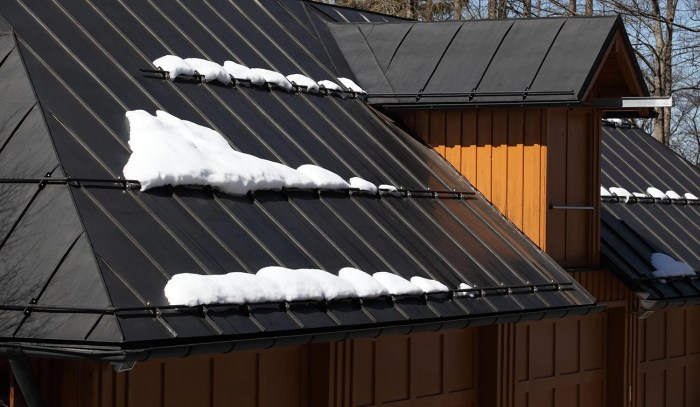
Exploring the world of roofing materials for cold climates opens up a realm of possibilities for homeowners and contractors alike. Each material brings its own unique characteristics and benefits to the table, ensuring a well-insulated and durable roof even in the harshest winter conditions.
Let's delve into the nuances of these roofing materials and uncover the best options for your cold climate roofing needs.
Types of roofing materials suitable for cold climates
When it comes to choosing roofing materials for cold climates, it is essential to consider factors like durability, insulation properties, and cost-effectiveness. Here, we will explore the characteristics of popular roofing materials such as asphalt, metal, and slate in cold weather conditions.
Asphalt Roofing
Asphalt shingles are a common choice for roofing in cold climates due to their affordability and ease of installation. They provide decent insulation and can withstand cold temperatures, making them a practical option for areas with harsh winters. However, asphalt shingles may not be as durable as other materials like metal or slate, and they may require more frequent maintenance and replacement.
Metal Roofing
Metal roofing is known for its durability and longevity, making it a great option for cold climates. Metal roofs are resistant to snow and ice buildup, making them ideal for areas prone to heavy snowfall. Additionally, metal roofs offer excellent insulation properties, helping to keep homes warm during the winter months.
While metal roofing may have a higher upfront cost compared to asphalt shingles, its long-term durability and energy efficiency can make it a cost-effective choice in the long run.
Slate Roofing
Slate roofing is a premium option for cold climates, known for its beauty and durability. Slate roofs are highly resistant to extreme weather conditions, including freezing temperatures and snow accumulation. They provide excellent insulation and can last for decades with proper maintenance.
However, slate roofing tends to be the most expensive option among the three materials discussed here, making it more suitable for homeowners looking for a long-term investment in their property.
Considerations for choosing the best roofing materials for cold climates
When selecting roofing materials for cold climates, several factors need to be considered to ensure optimal performance and durability. Factors such as thermal performance, snow load capacity, and resistance to ice dams play a crucial role in determining the suitability of a roofing material for cold weather conditions.Proper installation and regular maintenance are also essential considerations when choosing roofing materials for cold climates.
A well-installed roof with adequate ventilation and insulation can help prevent issues such as ice dams and snow accumulation, prolonging the lifespan of the roofing system.Different roofing materials perform differently in extreme temperature variations commonly experienced in cold climates. Understanding how materials such as asphalt shingles, metal roofing, and slate tiles react to temperature changes can help homeowners make informed decisions when selecting the best roofing material for their specific climate.
Thermal Performance
When choosing roofing materials for cold climates, it is important to consider the thermal performance of the material. Materials with high thermal resistance can help maintain a consistent indoor temperature, reducing heating costs during the winter months. Insulating properties are crucial in preventing heat loss through the roof, especially in areas with cold winters.
- Materials with high R-values offer better thermal performance.
- Proper installation and ventilation are key to maximizing the thermal efficiency of roofing materials.
- Consider materials such as metal roofing with reflective coatings for improved energy efficiency.
Snow Load Capacity
Roofs in cold climates need to be able to withstand heavy snow loads to prevent structural damage. Choosing roofing materials with a high snow load capacity is essential to ensure the roof can support the weight of accumulated snow without collapsing.
- Metal roofing and slate tiles are known for their high snow load capacity.
- Proper roof pitch and reinforcement can also help distribute snow weight evenly across the roof surface.
- Regular snow removal can help prevent excess weight buildup on the roof.
Resistance to Ice Dams
Ice dams can form on roofs in cold climates, leading to water damage and leaks. Selecting roofing materials that are resistant to ice dams can help prevent these issues and protect the integrity of the roof structure.
- Materials with good thermal conductivity can help prevent ice dam formation.
- Proper insulation and ventilation are essential in reducing the risk of ice dams.
- Metal roofing and asphalt shingles are commonly used in cold climates due to their resistance to ice dams.
Insulation and ventilation requirements for cold climate roofing
Insulation and ventilation play crucial roles in maintaining the integrity and longevity of a roof in cold climates. Proper insulation helps prevent heat loss and ice dam formation, while adequate ventilation ensures moisture control and temperature regulation within the attic space.
Role of insulation in preventing heat loss and ice dam formation
Insulation acts as a barrier that reduces the transfer of heat between the interior of the house and the exterior environment. In cold climates, heat loss through the roof can lead to increased energy consumption and discomfort indoors. Additionally, inadequate insulation can result in the formation of ice dams on the roof, which can cause water damage and compromise the structural integrity of the roof.
- Properly insulated roofs help maintain a consistent indoor temperature, reducing the strain on heating systems and lowering energy costs.
- Insulation also helps prevent the formation of ice dams by maintaining a uniform roof surface temperature, preventing snow from melting and refreezing at the eaves.
- Common insulation materials suitable for cold weather roofing include fiberglass, cellulose, and spray foam. These materials offer varying levels of thermal resistance and can be installed in different parts of the roof structure to maximize energy efficiency.
Impact of proper ventilation on the longevity of the roof in cold climates
Effective ventilation in the attic space is essential for removing excess heat and moisture, which can otherwise lead to condensation, mold growth, and premature deterioration of roofing materials. Proper ventilation helps maintain a balanced environment, prolonging the lifespan of the roof and reducing the risk of structural damage.
- Well-ventilated roofs allow for the escape of warm, moist air from the attic, preventing condensation and mold growth.
- By controlling humidity levels and temperature fluctuations, ventilation helps preserve the integrity of roofing materials and prevents ice dam formation.
- Examples of ventilation systems for cold climate roofing include ridge vents, soffit vents, and gable vents, which work together to ensure continuous airflow and proper circulation within the attic space.
Maintenance tips for roofing in cold climates
In cold climates, proper maintenance of your roof is crucial to ensure its longevity and durability. Here are some essential tips to keep your roof in top condition during harsh winter conditions.
Best practices for snow and ice removal
It is important to regularly remove snow and ice buildup from your roof to prevent structural damage and leaks. Use a roof rake to safely remove excess snow, and consider installing heating cables to prevent ice dams.
Importance of regular inspections and repairs
Regular inspections can help identify any potential issues before they escalate into major problems. Schedule annual roof inspections to check for loose or damaged shingles, gaps in the flashing, or signs of water damage.
Addressing common issues like leaks and frost heave
Leaks can occur due to damaged shingles, flashing, or poor insulation. Promptly address any leaks to prevent water damage and mold growth. Frost heave, which happens when the ground freezes and expands, can cause the roof to lift. Ensure proper insulation and ventilation to minimize the risk of frost heave.
Summary
In conclusion, selecting the best roofing materials for cold climates is a crucial decision that can impact the longevity and efficiency of your roof. By understanding the key factors and considerations, you can make an informed choice that ensures your home remains protected and comfortable throughout the winter months.
Choose wisely, and enjoy the benefits of a well-constructed cold climate roof.
Clarifying Questions
What are the best roofing materials for extreme cold weather?
Materials like metal and slate are excellent choices for cold climates due to their durability and insulation properties.
How important is proper installation for cold climate roofing materials?
Proper installation is crucial to ensure the effectiveness and longevity of roofing materials in cold climates, preventing issues like ice dams and heat loss.
What maintenance tips are essential for roofing in cold climates?
Regular inspections, snow, and ice removal, as well as addressing issues like leaks promptly, are key maintenance practices for cold climate roofing.